
-
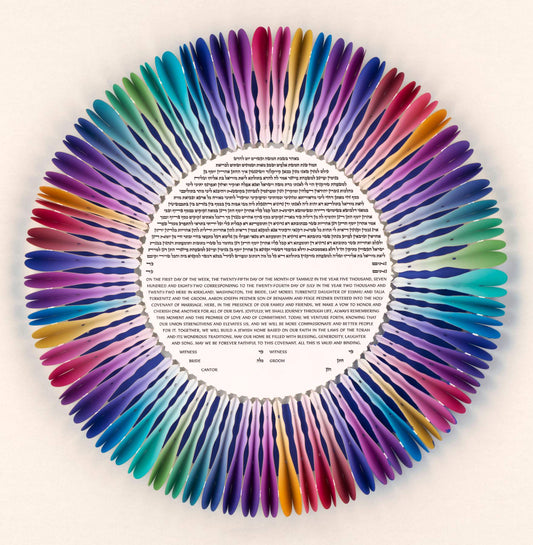
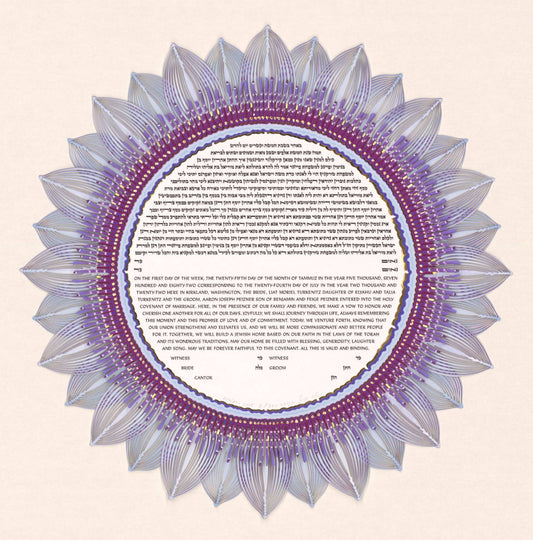
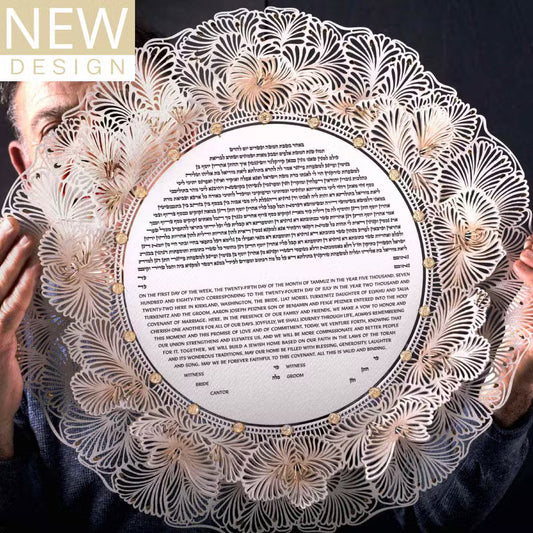
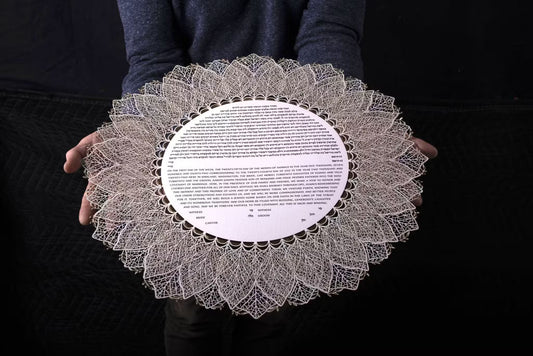
Radiance Ketubah
Regular price $1,450.00Regular price -
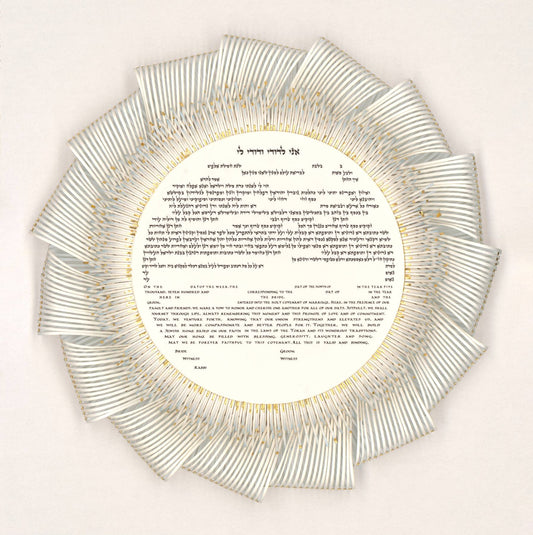
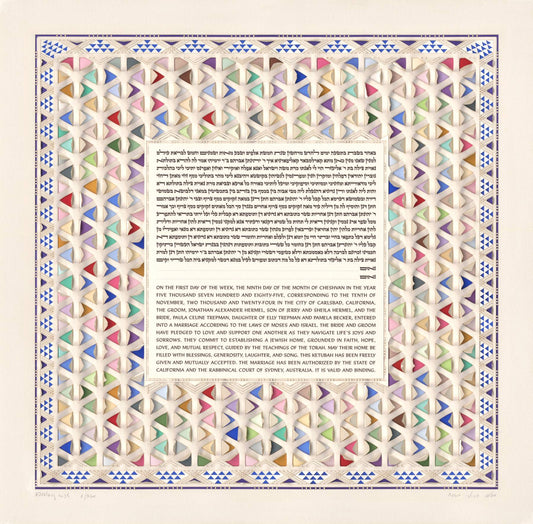
Interlace Ketubah
Regular price $1,325.00Regular price -
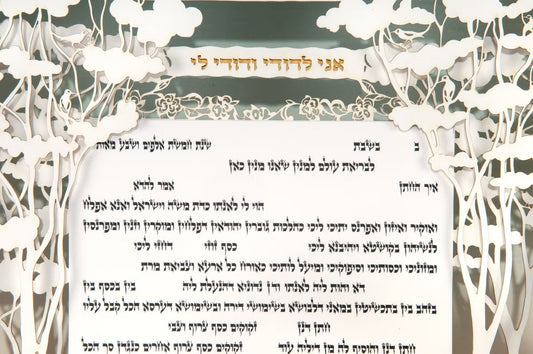
The Canopy Ketubah
Regular price $1,305.00Regular price -
The Millefleurs Ketubah
Regular price $1,300.00Regular price -
Passiflora Ketubah
Regular price $975.00Regular price -
Harmony Ketubah
Regular price $895.00Regular price -
Honeycomb Ketubah
Regular price $895.00Regular price -
Silver Jewel Ketubah
Regular price $855.00Regular price -
Gold Jewel Ketubah
Regular price $855.00Regular price -
Color Song Ketubah
Regular price $855.00Regular price -
Multi-Color Ketubah
Regular price $825.00Regular price -
Dancing Waves Ketubah
Regular price $805.00Regular price -
Coral Ketubah
Regular price $795.00Regular price -
Antique Lace Ketubah
Regular price $795.00Regular price -
Venetian Lace Ketubah
Regular price $795.00Regular price -
Serenity Ketubah
Regular price $790.00Regular price -
Petal Ketubah
Regular price $785.00Regular price -
Blue Diamond Ketubah
Regular price $725.00Regular price -
Silver Gardens Ketubah
Regular price $675.00Regular price -
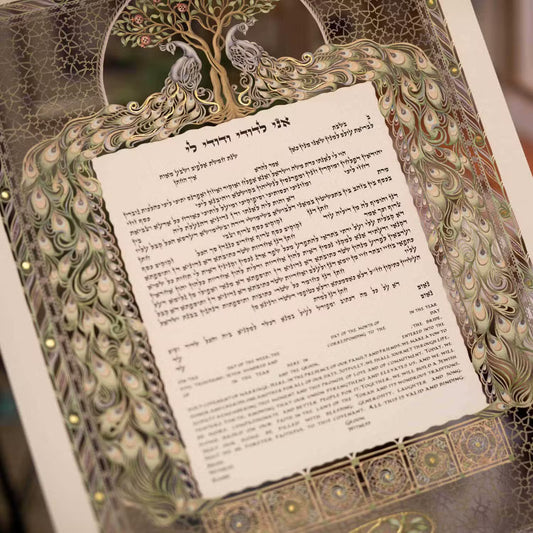
The Peacock Ketubah
Regular price $675.00Regular price



















Frequently Asked Questions
A ketubah is the Jewish marriage contract — a document signed by witnesses before the wedding ceremony that traditionally outlines the groom's obligations to the bride. It has been part of Jewish weddings for centuries. Because couples typically frame and display it afterward, the ketubah has also become a piece of wedding art, which is why designs range from classical calligraphy to modern papercut work.
No — a ketubah is a religious and ceremonial document, not the civil marriage certificate issued by the government. Couples in the US still complete a state marriage license separately. The ketubah's role is within the Jewish ceremony itself: it's signed by witnesses before the wedding and read under the chuppah in many traditions, then kept and displayed by the couple.
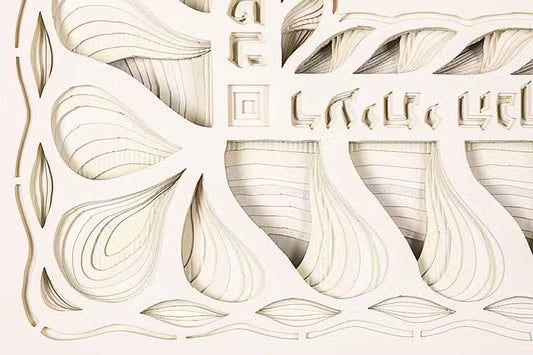
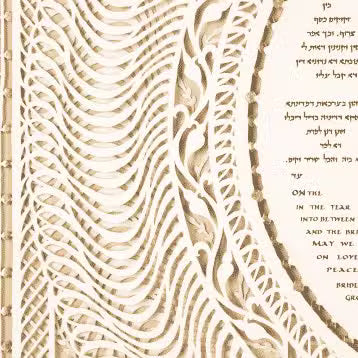
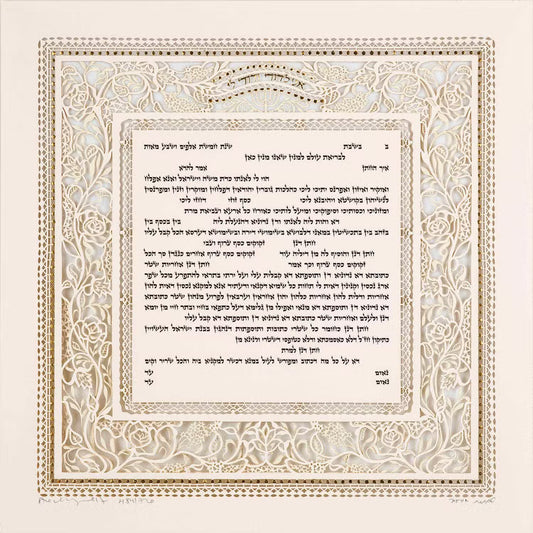
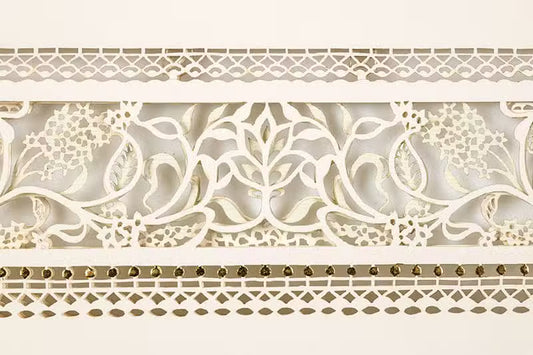
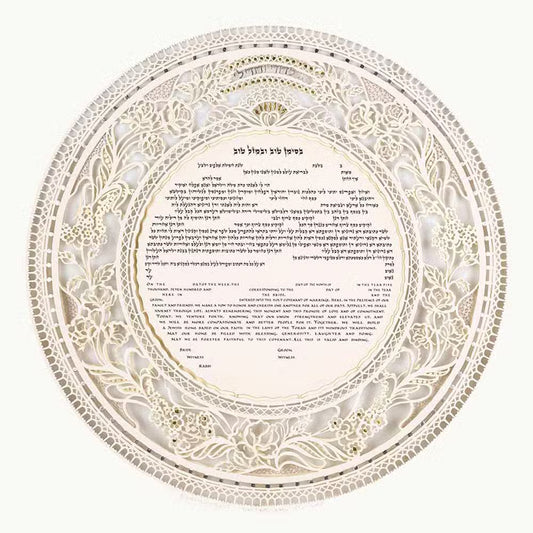
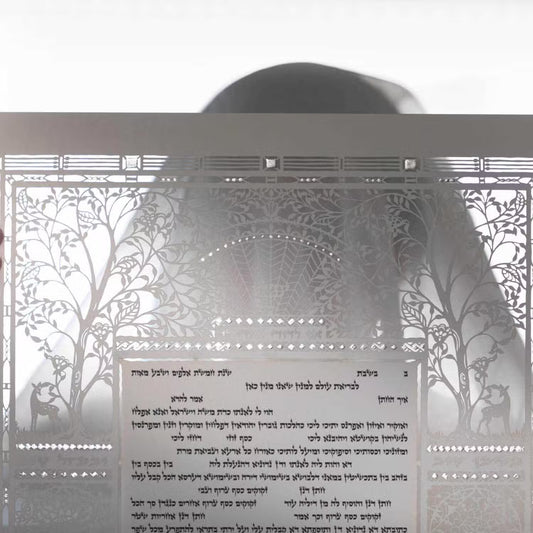
A traditional ketubah uses dense classical ornament — lace borders, florals, symmetrical layouts — paired with established Hebrew or Aramaic text, which orthodox and conservative ceremonies generally require. A contemporary ketubah reads as modern art first: circular layouts, papercut and laser-cut detail, and flexible wording that suits interfaith or custom text. The design direction and the text requirements usually go together, so start with your officiant's requirements.
The ketubah is traditionally signed by two witnesses before the wedding ceremony; depending on the community and the text used, the couple, the rabbi, or the officiant may sign as well. Exact signing practice varies between orthodox, conservative, reform, and interfaith ceremonies, so confirm with your officiant — and make sure the design you choose has the signature lines your ceremony needs.
Buy your ketubah well before the wedding — this is not a week-before purchase. Between choosing a design, confirming the exact text with your officiant, and any personalization, the process takes real lead time. Choosing where it will hang afterward also affects size and color choices, so it's worth deciding early rather than under deadline pressure.
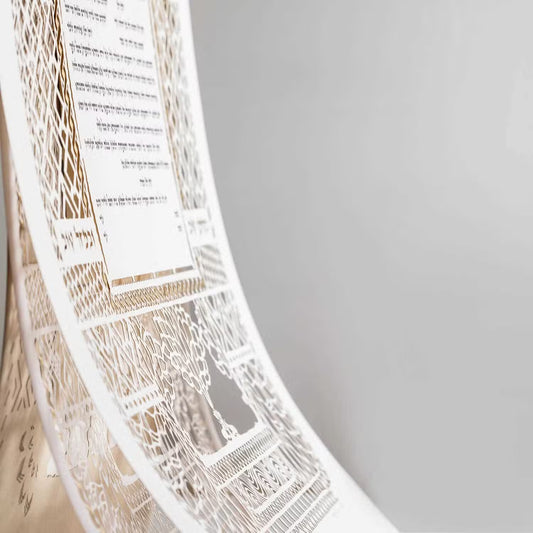
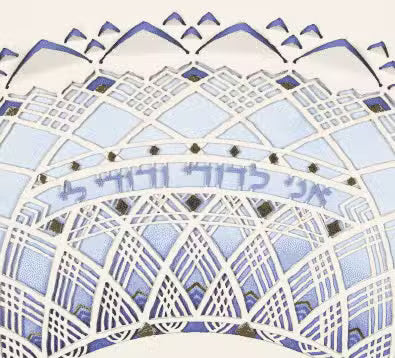
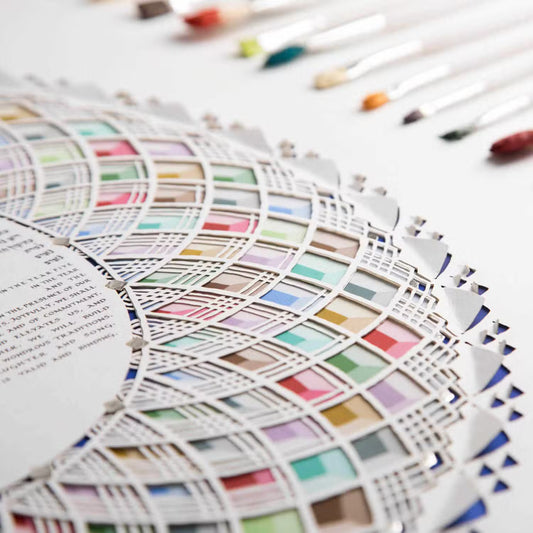
Ketubah pricing tracks the intricacy of the artwork rather than the text — the wording comes with every design, so what you're paying for is the detail. Simpler layouts anchor the entry level, while the most intricate papercut pieces, like the Radiance and Interlace ketubot, sit at the top of the range. Current prices are listed on each design, and both the traditional and contemporary directions span the full spread.